

What Is PRP?
PRP Injections Winnipeg: Treatment Overview
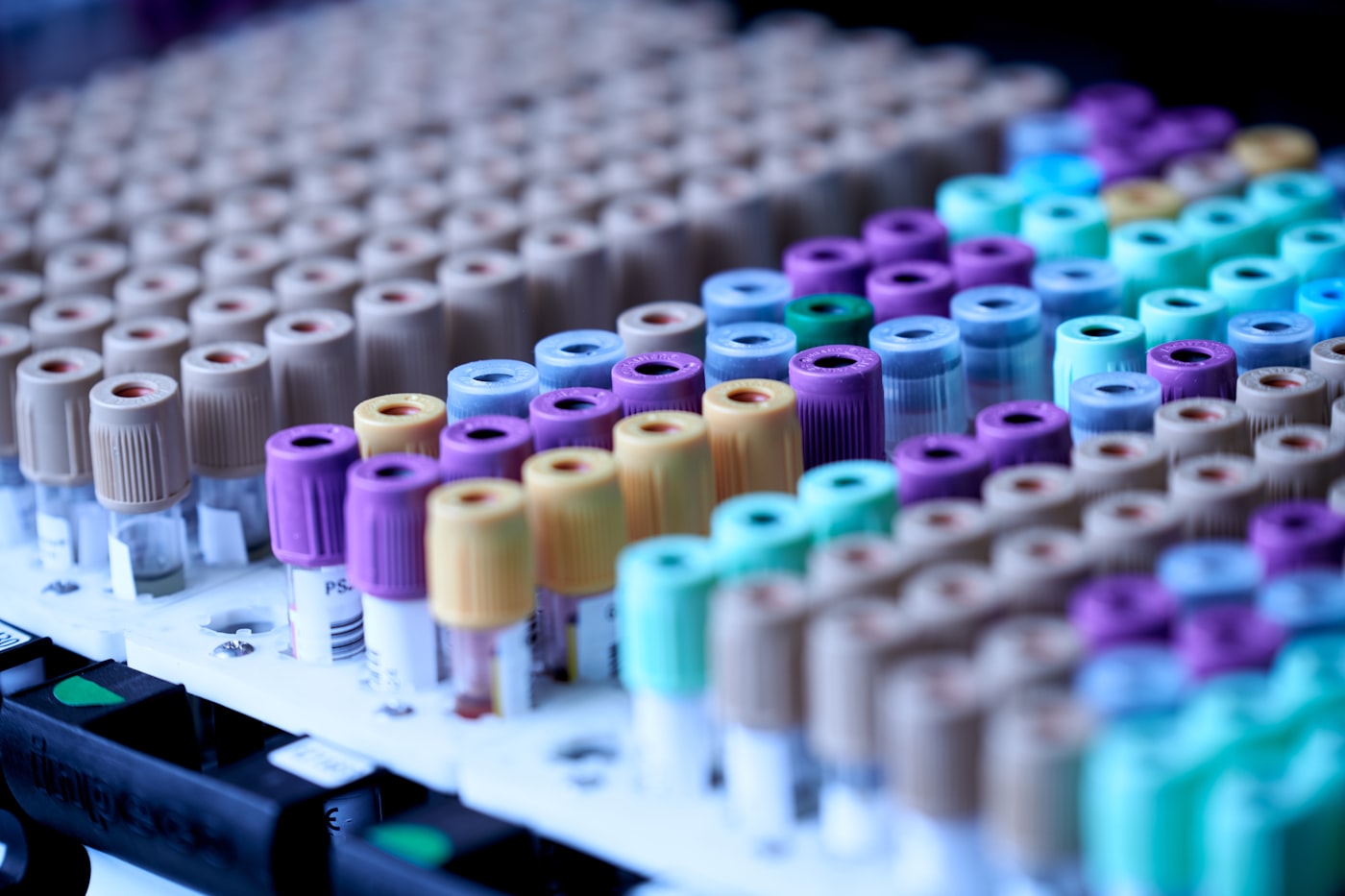
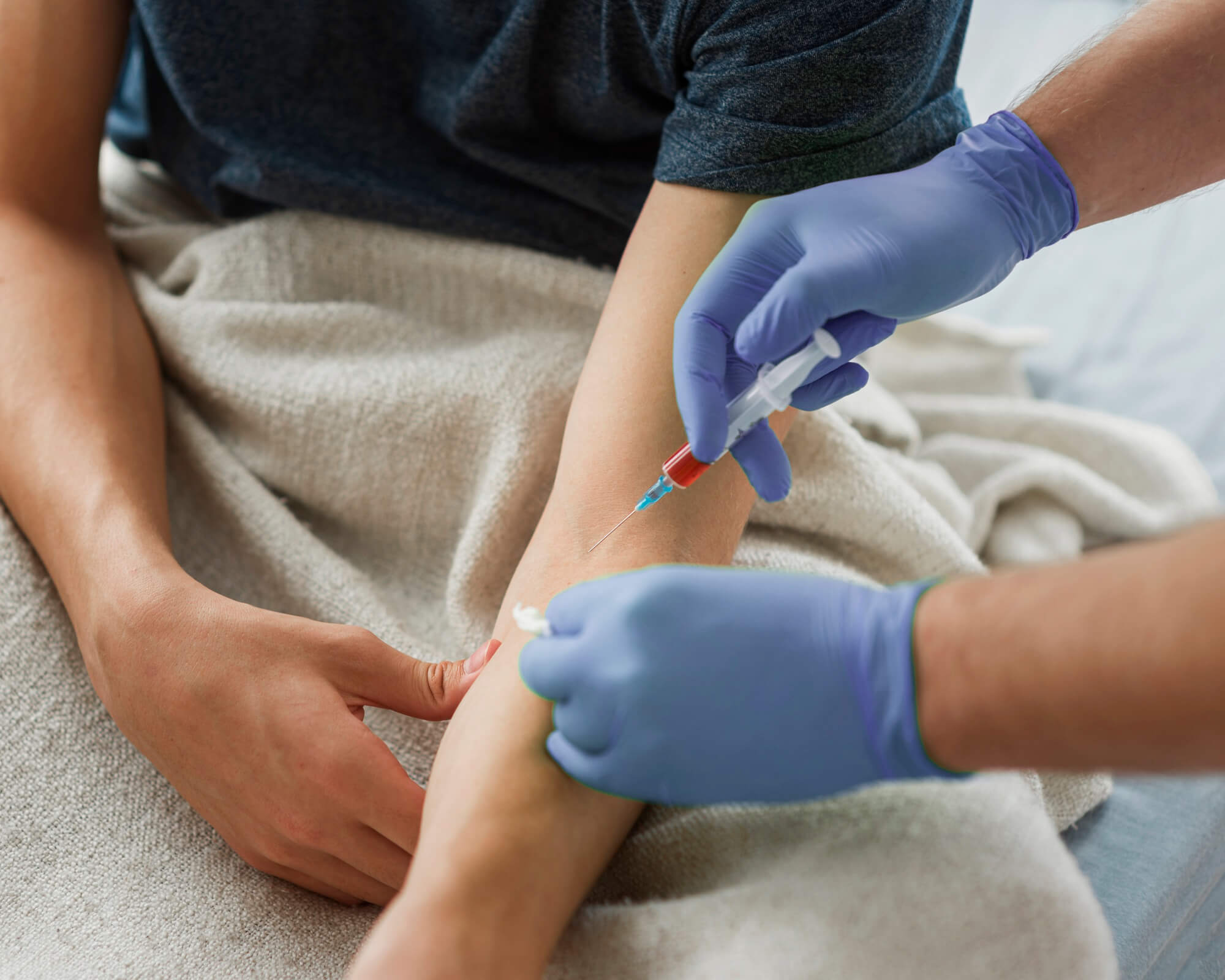
Platelet-rich plasma (PRP) is prepared from a patient's own blood. A blood sample is drawn and processed in a centrifuge to separate the blood components and concentrate the platelet-rich portion of the plasma. The prepared PRP is then drawn into a syringe and injected into the selected treatment area using a needle.
The blood draw and injection are completed during the same appointment. The specific treatment area and injection approach depend on the concern being assessed by the physician.
PRP for Knee & Joint Pain
PRP may be considered for selected joint concerns following physician assessment. The clinic's completed treatment information specifically confirms PRP use for shoulder bursitis, elbow bursitis and joint swelling affecting small joints. The physician determines whether PRP is an appropriate option for the particular joint and clinical concern.
Knee Osteoarthritis
Knee osteoarthritis is a degenerative joint condition in which the cartilage cushioning the knee joint gradually breaks down over time, leading to pain, stiffness and reduced mobility. It's a common source of chronic knee pain, particularly with age, prior injury, or repetitive joint loading. PRP is one option considered for degenerative joint pain in the knee, alongside other approaches such as activity modification, physiotherapy, and cortisone injection.
Shoulder, Elbow & Small Joints
At Concordia Medical Centre, the clinic has confirmed PRP use for shoulder bursitis, elbow bursitis and joint swelling affecting small joints. The injection site and approach depend on the specific condition being assessed. Joint injections are performed with ultrasound guidance according to the current page content.
PRP vs Cortisone Injections
PRP and cortisone injections are different treatment approaches. Cortisone is a corticosteroid medication, while PRP is prepared from the patient's own blood. The two treatments therefore have different mechanisms and treatment considerations. Neither should be presented as universally better than the other. The physician assesses the specific condition and discusses which options may be appropriate for the individual patient.
PRP for Tendon & Soft Tissue Injury
PRP may be considered for selected tendon and soft-tissue concerns following physician assessment. The decision depends on the specific diagnosis, location of the problem, medical history and other treatment considerations.
The completed clinic information does not provide a separate list of tendon conditions confirmed for PRP treatment. For that reason, the page should not present individual tendon conditions as confirmed clinic indications until the clinic provides that information.
Shockwave therapy is a separate treatment option used at Concordia Medical Centre for several tendon and soft-tissue conditions. The physician can assess the condition and discuss which treatment approach is appropriate.
PRP for Hair Restoration
PRP for hair restoration is offered for scalp hair thinning. Treatment involves preparing PRP from the patient's own blood and injecting it into areas of the scalp affected by thinning hair.
The clinic's current treatment schedule is three treatments spaced one month apart. Each hair-restoration session can take approximately 30 to 45 minutes. Maintenance treatment is recommended, with maintenance advised within six months or less according to the clinic's current guidance.
Hair restoration PRP is a private-pay treatment. The physician assesses the patient's situation and discusses whether PRP is an appropriate option before treatment begins.

How the Procedure Works
A PRP appointment begins with a blood draw. The blood sample is then processed to separate and concentrate the platelet-rich plasma. The prepared PRP is drawn into a syringe and injected into the treatment area. The clinic reports that the appointment from blood draw to injection takes approximately 45 minutes.
Physician-Directed Care, With Written Consent
PRP treatment at Concordia Medical Centre is physician-directed. A physician assesses the patient's condition and determines whether PRP is an appropriate option for the specific concern. Written informed consent is obtained before treatment.
The completed clinic information does not specify a separate named medical director or provide a detailed division of responsibilities between the physician and other clinical staff. The page therefore should not name a specific medical director or make an unsupported claim about which staff member performs the injection.
Regulatory Status of PRP in Canada
Health Canada has not authorised PRP as an approved drug treatment for the uses described on this page. Health Canada states that PRP meets the definition of a drug under the Food and Drugs Act and that autologous PRP prepared and administered by an appropriately entitled practitioner as part of the practice of medicine is regulated provincially and territorially. Health Canada also states that it has not reviewed scientific evidence on the safety, efficacy or quality of PRP for therapeutic uses.
A licence for a medical device used to prepare PRP is not the same as Health Canada authorisation of PRP therapy itself. Patients considering PRP should understand this regulatory context and discuss the treatment with their physician.
Am I a Candidate?
PRP candidacy is determined during a physician assessment. The physician reviews the patient's specific condition, medical history and treatment goals before deciding whether PRP is an appropriate option.
The clinic's completed treatment information does not provide a separate list of additional PRP contraindications for publication. For that reason, the page should not publish a broader contraindication checklist based on general PRP information without clinic confirmation.
PRP is not appropriate for every condition or every patient. The physician assessment determines whether PRP is suitable or whether another treatment approach should be considered.
Risks & Considerations
PRP involves a blood draw and an injection, so patients may experience discomfort associated with the procedure. The clinic reports that patients may experience some soreness from the injection and reports no adverse side effects in its current clinical experience
These statements should not be interpreted as a guarantee that complications cannot occur. Individual responses can vary, and PRP is not guaranteed to improve symptoms for every patient.
A physician assessment is important because the appropriate treatment depends on the specific diagnosis and the patient's medical circumstances.
PRP Pricing in Winnipeg
PRP is billed privately as an uninsured service.
Prices are subject to change without notice. The three-treatment package is currently $750.
See all treatment fees on the Fees page →