
Assessed by a Physician
Skin concerns at Concordia Medical Centre are assessed by Dr. Opeyemi Opaleye — no referral is needed to book an appointment. See Dr. Opeyemi Opaleye on Our Physicians for a physician profile.
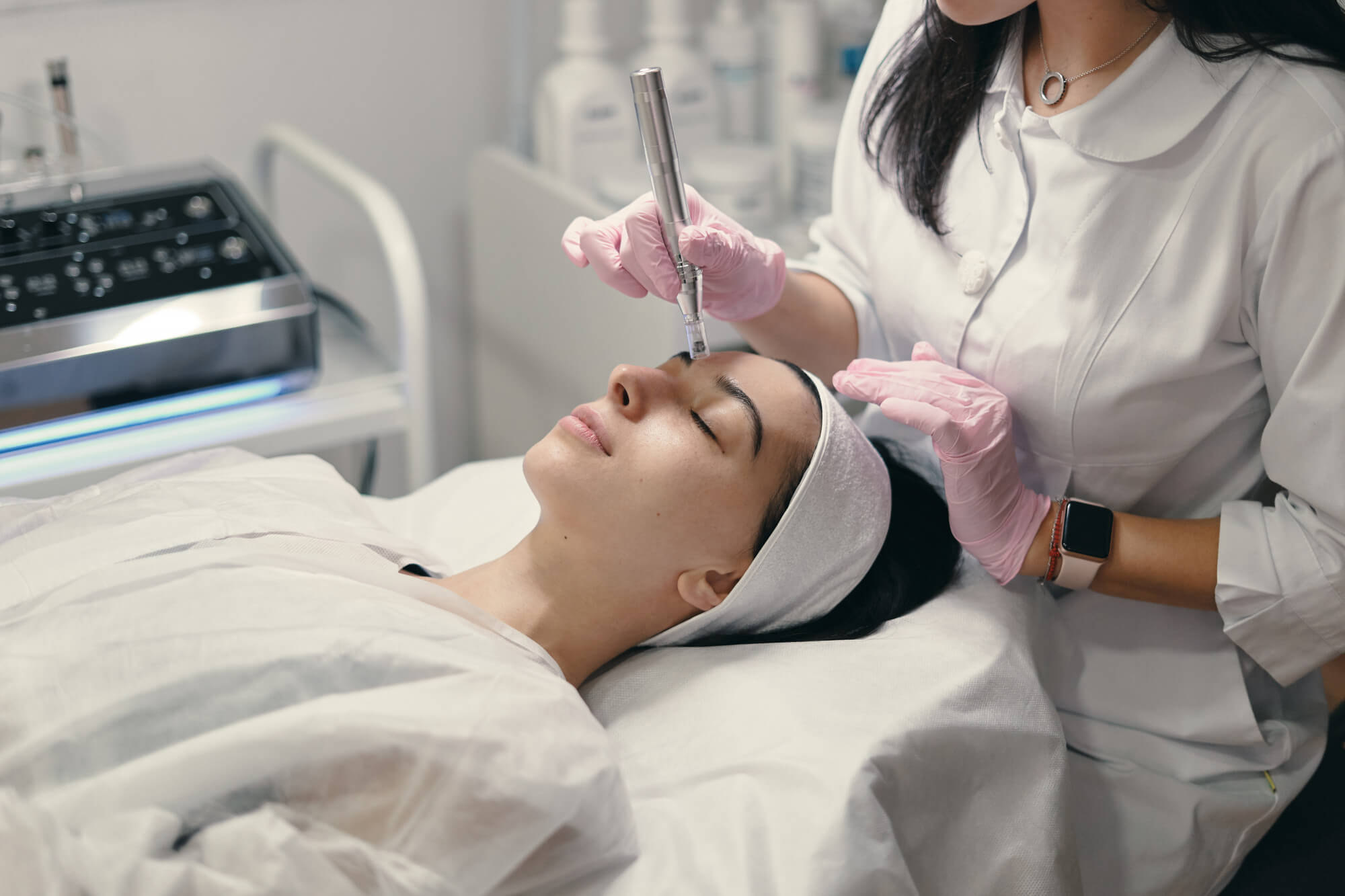
A skin assessment may include examination of a mole, skin tag, lesion or other area of concern. Depending on the assessment, the physician may recommend monitoring, treatment, removal, biopsy or referral when further evaluation is appropriate.
Skin Tag Removal Winnipeg
Skin tags are small, soft, benign growths of skin that commonly appear on the neck, underarms, eyelids and body folds where skin rubs against skin or clothing. They're harmless, but many patients choose to have bothersome or irritated ones removed.
An appointment for skin tag removal typically starts with a quick look to confirm the growth is in fact a skin tag rather than something that needs a closer assessment first, since not every small skin growth is a skin tag.
How Skin Tags Are Removed
Skin tags are removed by snipping or cauterization. Removal is typically a quick in-office procedure with minimal downtime; discomfort is usually brief and confined to the moment of removal itself.
Fees
Coverage and fees can depend on the reason for the procedure. See the Fees & Uninsured Services page for current private-fee information.

Mole Assessment & Removal
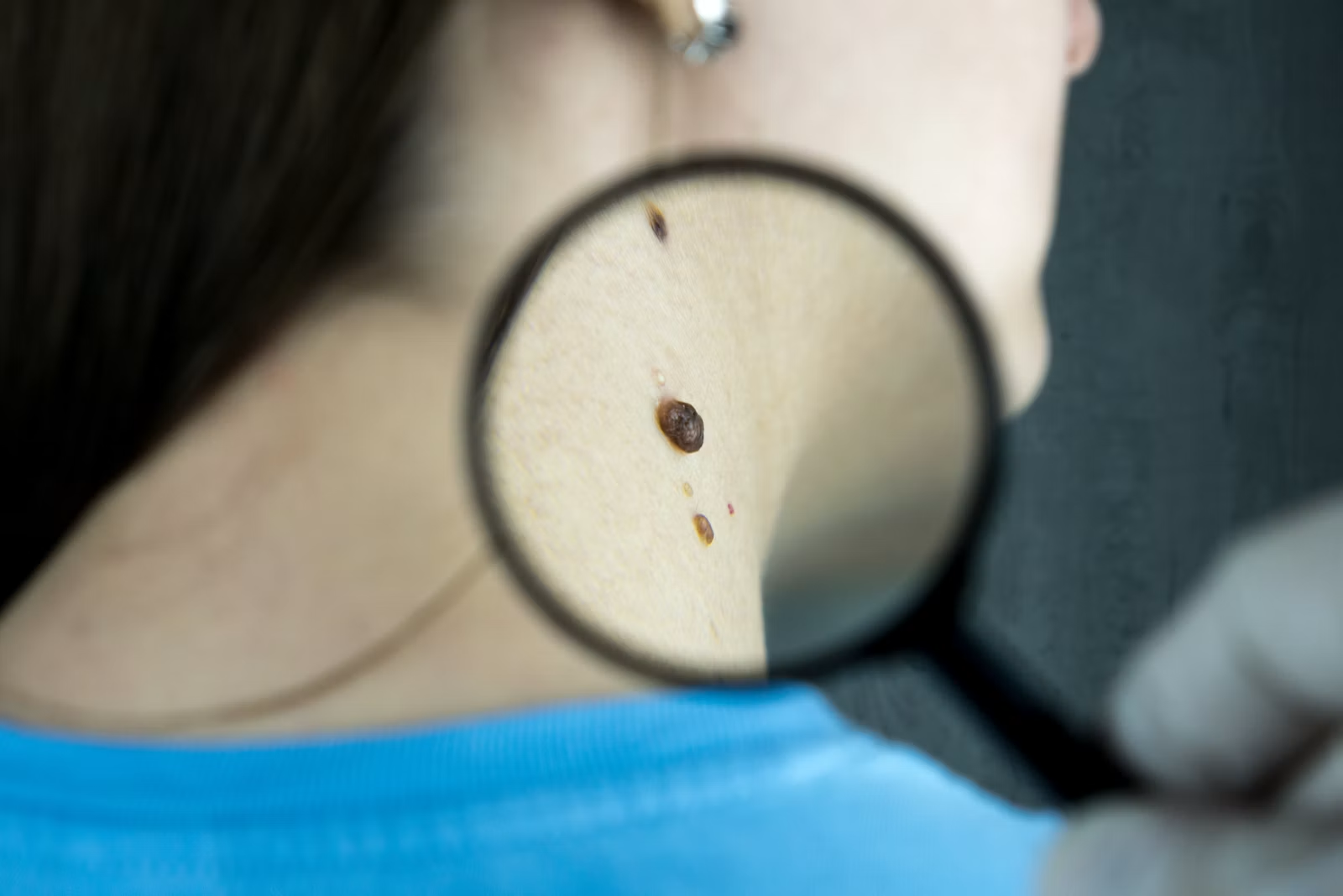
A mole assessment comes before any decision about removal. The physician examines the mole in question, and any others that stand out, before recommending whether removal, monitoring, or no action is appropriate.
When a Mole Should Be Checked
A mole is worth having assessed if it has changed in size, shape or colour, has an irregular or blurred border, contains multiple colours, is larger than about the size of a pencil eraser, or is itchy, bleeding or otherwise behaving differently from surrounding moles. A new mole appearing after age 30, or any mole that stands out as different from the others on the body, is also worth a look.
How Moles Are Removed
Moles can be removed by shave excision, which removes the raised portion of the mole level with the surrounding skin, or by full excision, which removes the mole along with a margin of tissue and typically requires stitches. Which method is used depends on the mole's appearance and the reason for removal. Larger excisions and biopsies are covered in more detail on the Skin Excisions & Biopsies section of the Minor Surgery page. Tissue removed for a medical reason is generally sent to pathology for analysis.
Insured vs Cosmetic Removal
Manitoba Health generally covers removal when there's a medical reason to remove or biopsy a mole, but excludes removal done purely for cosmetic reasons. Cosmetic mole or lesion removal is billed at $150, plus a $30 tray fee.
Skin Checks & Skin Cancer Screening
A skin check is a broader examination of the skin, looking for anything that stands out as worth a closer look or monitoring over time, rather than focusing on a single mole a patient has already noticed.
What a Full Skin Exam Involves
A full skin exam takes about 20 minutes. Measurements are taken of any spots that warrant monitoring, biopsy or referral, for comparison at a future visit.
No Referral Needed
A skin assessment can be arranged directly with Concordia Medical Centre. No referral from another physician is required.
Benign Lesion Removal
Seborrheic keratoses and other common benign skin growths can be assessed and, where appropriate, removed at the clinic. These growths are non-cancerous but are sometimes irritated by clothing or removed for comfort or cosmetic reasons. For larger or deeper lesions requiring excision, see Skin Excisions & Biopsies on the Minor Surgery page.
Actinic Keratosis
Actinic keratoses are rough, scaly patches of skin caused by long-term sun exposure, most often appearing on the face, ears, scalp, hands and forearms. They matter because a small proportion can progress to a form of skin cancer if left untreated, which is why they're generally assessed and treated rather than left alone.
Actinic keratosis is treated with cryotherapy at Concordia Medical Centre. A physician can advise on the most appropriate approach after an assessment.
Acne Treatment
Acne care starts with an assessment of the severity, pattern and treatments already tried. The physician can discuss appropriate treatment options based on the assessment.
When to See a Physician About Acne
Seeing a physician is worthwhile when acne is leaving scars, involves deep, painful cystic breakouts, or hasn't responded to over-the-counter treatment after a reasonable trial. Earlier treatment for scarring-prone acne can help limit lasting marks, so it's worth being assessed rather than waiting it out.
Note: Physicians at Concordia Medical Centre do not prescribe or monitor isotretinoin (commonly known by the brand name Accutane). Patients whose acne requires this level of treatment are referred out to a physician who prescribes and monitors it.
Warts & Cryotherapy
Warts are benign growths caused by a common skin virus, and are treated at the clinic using cryotherapy — liquid nitrogen applied to freeze and destroy the growth at the surface of the skin. Wart removal by cryotherapy is covered by Manitoba Health. Other benign growths can sometimes be treated the same way, depending on assessment. Full detail on the cryotherapy procedure itself, including typical session count and healing time, is covered under Cryotherapy on the Minor Surgery page.
Coverage & Fees
Some medically necessary services may be covered by Manitoba Health, while cosmetic or uninsured services may have a private fee.
For current pricing and uninsured-service information, see our Fees & Uninsured Services page.
See the full Fees & Uninsured Services page →